Patient recovery does not depend solely on medical treatment.
Food plays a vital role in providing energy, emotional comfort, and supporting the body’s healing process.
However, one of the biggest challenges of patient meals is their many limitations reduced seasoning, controlled fat, low sodium, and restricted ingredients.
This often leads to a common concern among hospitals and caregivers:
How can patient meals be appetizing, enjoyable, and encouraging to eat even without strong flavors?
This article shares five essential techniques that hospitals and food service providers should know to elevate patient meals so they are easy to eat, enjoyable, and supportive of faster recovery.
1. Use High-Quality Ingredients to Enhance Natural Flavor in Patient Meals
The foundation of good patient meals starts with ingredient quality.
Fresh, carefully selected ingredients naturally enhance flavor without relying on salt, sugar, or heavy seasoning.
Well-prepared patient meals using quality ingredients offer a balanced taste while also improving food safety standards.
Key considerations include:
- Seasonal fresh vegetables → provide natural sweetness
- High-quality proteins → reduce unpleasant odors
- Carefully sourced ingredients → minimize the need for added seasoning
2. Adjust Food Texture to Match the Patient’s Physical Condition
In many cases, patients avoid eating not because of taste, but due to difficulty chewing, swallowing, or discomfort during meals.
Properly designed patient meals should focus on:
- Soft and tender textures
- Moist, non-dry consistency
- Appropriate cutting, chopping, or blending
Examples:
- Grilled meat → slow-cooked or braised meat
- Stir-fried vegetables → steamed or boiled vegetables
- Light, healthy sauces → add moisture and improve mouthfeel
Patient meals with suitable textures are easier to consume and encourage patients to eat more comfortably.
3. Use Aroma and Color to Stimulate Appetite
Even without strong seasoning, gentle aromas and natural colors can significantly enhance appetite in patient meals.
Effective techniques include:
- Using mild herbs such as pandan leaf, ginger, or lemongrass
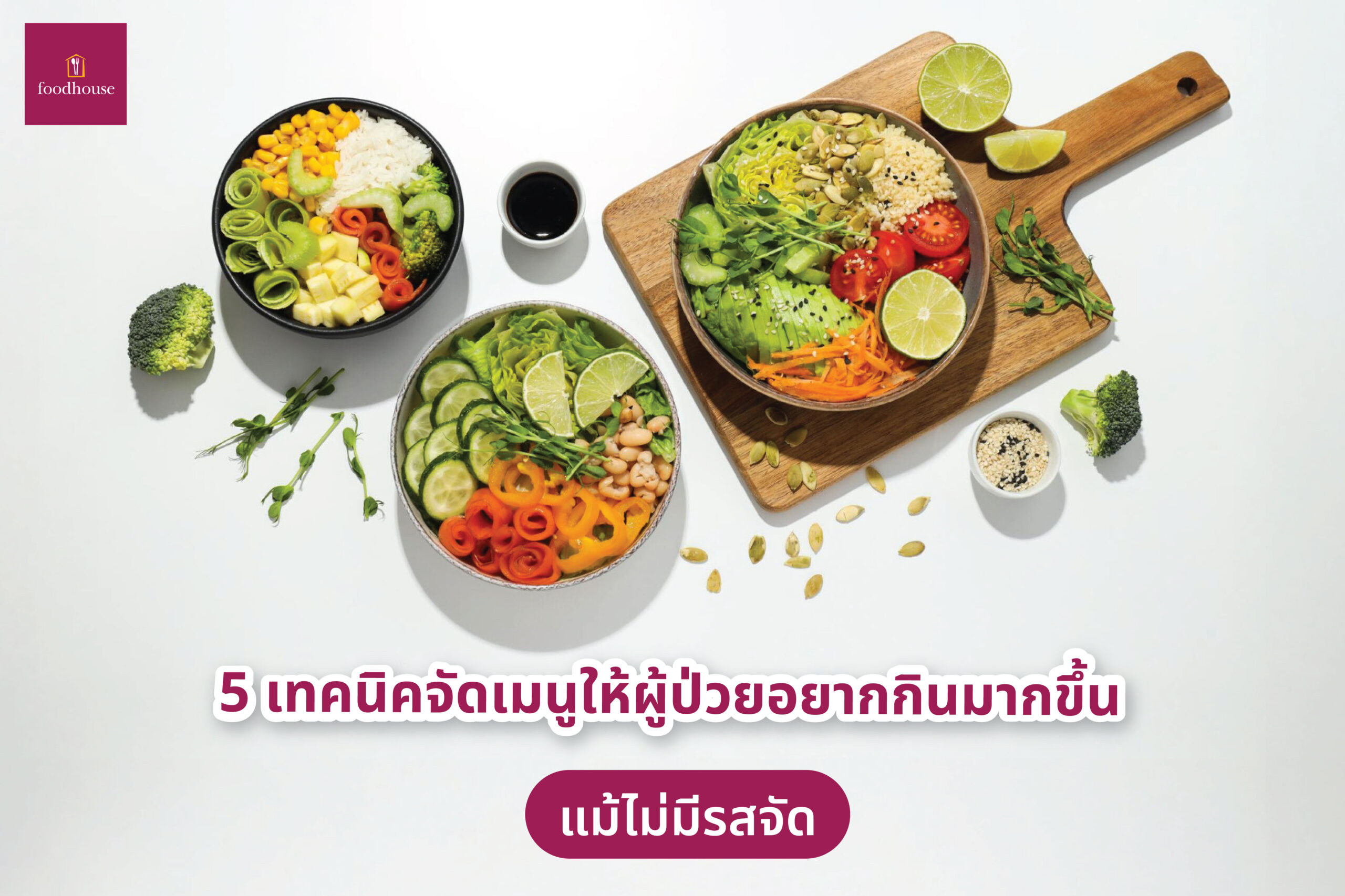
- Incorporating a variety of colorful vegetables
- Presenting food in a clean, well-organized plating style
Visually appealing patient meals help reduce the negative perception that hospital food is unappetizing and improve the overall dining experience.
4. Design Patient Meals with Specialized Nutritionists
Good patient meals must go beyond basic nutrition guidelines.
They should be tailored to specific medical conditions, physical status, and stages of treatment.
When patient meals are carefully planned, patients feel more confident, eat more willingly, and experience greater comfort during meals.
Nutritionists play a critical role in:
- Calculating appropriate calories and nutrients
- Controlling sodium, sugar, and fat intake
- Customizing meals according to individual patient restrictions
5. Create a Dining Experience That Feels Thoughtful and Caring
Great patient meals are not only about recipes they are about how patients feel during the meal.
Small details that make a meaningful difference include:
- Clean, well-organized meal trays
- Clearly labeled menu names
- Timely meal delivery at appropriate temperatures
Patient meals served with care help patients feel valued and reassured that each meal is thoughtfully prepared for them.
Patient Meals: Care That Goes Beyond Food
Even without strong flavors, patient meals can be comforting and enjoyable through quality ingredients, proper texture, appealing presentation, professional nutritional planning, and attention to the dining experience.
A single meal can become a powerful source of encouragement in the recovery process.
Because good patient meals are not just meant to satisfy hunger
they are designed to support healing and remind patients that they are never alone.